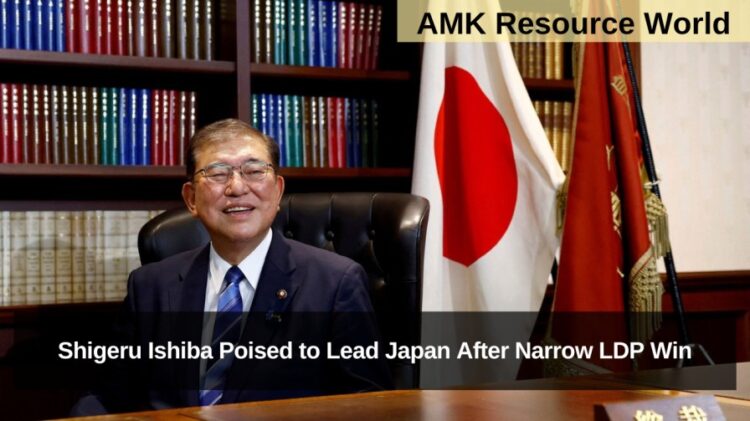
Shigeru Ishiba, a veteran LDP politician and former defence minister, is being reported as the victor in the Liberal Democratic Party’s leadership contest and is poised to become Japan’s next prime minister, replacing Fumio Kishida. According to these reports, Ishiba narrowly edged out former economic security minister Sanae Takaichi by a slim margin of 21 votes in the party ballot — a result that, if confirmed, hands him the leadership of Japan’s dominant party and an effective path to the premiership because the LDP commands the largest bloc in the lower house.
Why the LDP Leadership Race Matters
The LDP leadership election matters because the winner typically becomes prime minister: once the party elects a leader, the National Diet (parliament) is expected to formally confirm that person as prime minister in a parliamentary vote. The LDP called this race after Prime Minister Fumio Kishida stepped away from re-election amid scandals and mounting political pressure that eroded public trust in his administration.
What Ishiba’s Leadership Would Signal
Ishiba’s ascension would mark a return to a familiar LDP figure known for his independent streak and strong regional appeal. As a longtime policymaker and former defence minister, Ishiba has emphasized pragmatic, often populist, politics and has sometimes clashed with party heavyweights. Observers will be watching how he balances party unity, economic recovery, and diplomatic ties—especially given Japan’s delicate position between the United States and China and domestic concerns such as an aging population and inflation. Commentary ahead of the vote highlighted the difficult landscape any incoming LDP leader will inherit.
The Margin and Mandate

A 21-vote margin — if accurate — would indicate a tightly contested race and suggest Ishiba may need to work quickly to consolidate support inside the party. The LDP’s internal vote combines parliamentary members’ ballots with prefectural votes and party member inputs; close results can reflect fault lines between generational factions and policy priorities (economic stimulus, defence posture, and social policy). Pre-election coverage underscored several high-profile contenders, including Sanae Takaichi and Shinjiro Koizumi, underscoring how competitive the contest was.
Next Steps: Parliamentary Confirmation and Challenges Ahead
If the party confirms Ishiba, the Diet must hold a parliamentary session to appoint the new prime minister — a formality when the ruling party controls the lower house. Early reporting suggested dates being eyed for such a parliamentary vote in mid-October. Following confirmation, Ishiba would form a cabinet and outline immediate priorities: restoring public confidence, stabilising the economy, and managing regional security issues.