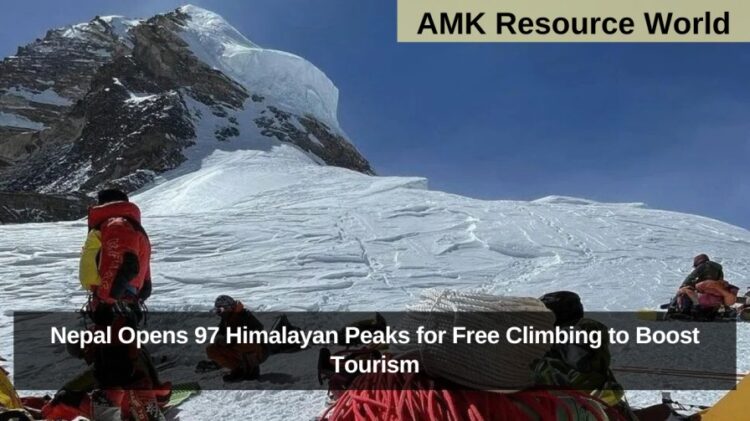
Nepal has announced an unprecedented initiative offering climbers the opportunity to scale 97 Himalayan peaks free of charge for the next two years. The government’s decision, unveiled by the Department of Tourism, is aimed at revitalising tourism in some of the country’s least-explored and underdeveloped regions—Karnali and Sudurpaschim provinces.
This move waives climbing permit fees for both domestic and international mountaineers, covering peaks ranging in height from 5,970 to 7,132 meters. By eliminating one of the key cost barriers, Nepal hopes to draw adventurers and mountaineering enthusiasts to regions that have long remained in the shadow of famous climbing destinations like Everest and Annapurna.
Promoting Lesser-Known Destinations
While Nepal is world-renowned for its towering peaks, including eight of the world’s 14 highest mountains, much of its mountainous terrain remains unexplored by international visitors. The Karnali and Sudurpaschim provinces, rich in natural beauty and cultural diversity, have received only a fraction of the tourism revenue generated in more popular areas.
Tourism officials believe that opening these lesser-known mountains to climbers could help diversify Nepal’s tourism offerings. “Our goal is to showcase the beauty and potential of these hidden gems,” said a Department of Tourism spokesperson. “By bringing climbers here, we can encourage investment, improve infrastructure, and create new livelihood opportunities for local communities.”
Peaks Ranging from Moderate to Challenging

The 97 peaks included in the program offer a range of climbing experiences, from moderate ascents suitable for amateur climbers to challenging expeditions requiring advanced mountaineering skills. Many of these mountains have seen few, if any, successful summits in recent decades, offering a sense of adventure and exclusivity to those seeking new challenges.
The tallest among them, standing at 7,132 meters, promises technical routes for experienced mountaineers, while smaller peaks around 6,000 meters present an ideal introduction to Himalayan climbing for less experienced adventurers.
Economic Impact and Community Benefits
Officials project that increased mountaineering activity in these regions will generate significant economic benefits. Local communities, many of which rely heavily on subsistence farming, could gain new sources of income through guiding services, lodging, transport, and the sale of local goods.
The government also expects that the influx of visitors will lead to improved infrastructure, such as better trails, communication facilities, and transportation networks, which would benefit residents as well as tourists.
Environmental and Safety Considerations
While the initiative is designed to boost tourism, authorities have stressed the importance of sustainable practices to protect the fragile Himalayan environment. Climbers will still be required to follow strict environmental guidelines, including waste management protocols, to minimise ecological impact.
Additionally, safety measures will be in place, with local guides and rescue teams trained to assist in emergencies. The government has pledged to collaborate with mountaineering associations to ensure climbers’ safety without compromising the pristine nature of the peaks.
With this bold step, Nepal is signalling its intent to expand tourism beyond its most famous mountains. The free access to 97 peaks offers a rare chance for climbers to explore untouched landscapes, while giving remote communities a share in the benefits of the country’s thriving adventure tourism industry.