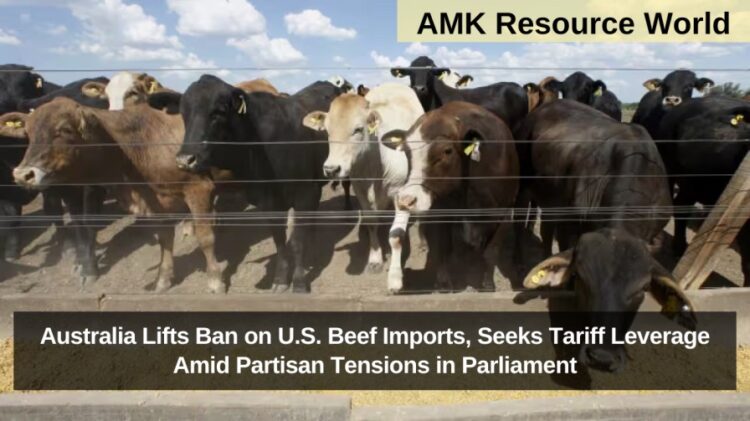
Australia has officially lifted longstanding biosecurity restrictions on U.S. beef imports this July, ending limits first imposed in 2003 to guard against bovine spongiform encephalopathy (BSE), or mad cow disease. The decision follows a decade‑long scientific and risk‑based review by the federal Agriculture Ministry, which concluded that improved U.S. cattle traceability systems now sufficiently protect Australia’s biosecurity standards
Under the updated policy, Australia will now accept beef from cattle born in Canada or Mexico but processed in the United States, provided strict tracking protocols are met. Meat supply chains that now comply with these measures may apply for import permits starting July 28, 2025
Although only premium U.S. beef produced wholly within the United States had been allowed since 2019, the new move restores broader access to U.S. producers and is being touted by U.S. officials—including former President Trump and U.S. Secretary of Agriculture Brooke Rollins—as a major trade victory and symbolic removal of “non‑scientific trade barriers

Domestically, however, the announcement sparked immediate political debate in the federal parliament. Agriculture Minister Julie Collins insisted the decision was based solely on scientific assessment and not influenced by U.S. tariff threats. She reaffirmed that Australian biosecurity would not be compromised
Opposition figures—including Nationals leader David Littleproud and Coalition MPs such as Barnaby Joyce—criticized the move for its rapid timing and lack of independent review, warning it risked weakening protections for Australia’s cattle industry
Meanwhile, Cattle Australia’s CEO expressed cautious approval, reassuring that domestic production remains dominant and imports are expected to remain minimal
Parliamentary proceedings on July 24, 2025 also featured heightened tensions over unrelated issues. Senators from One Nation turned their backs during the indigenous acknowledgment of country, triggering strong condemnation from Labor and Greens, including Minister Malarndirri McCarthy who labeled the protest an “incredibly childish stunt”.
Fiscal policy was another flashpoint: Treasurer Jim Chalmers reported that the federal deficit for 2024–25 came in significantly lower than forecast and introduced legislation to pause the beer excise indexation while protecting penalty rates for workers.
The convergence of trade policy, indigenous ceremonial protocol, and public finance made for a particularly fractious full day in parliament. As Australia pivots toward deeper engagement with U.S. markets, domestic scrutiny over process, transparency, and timing has intensified, sharpening both political debate and public unease over potential repercussions.