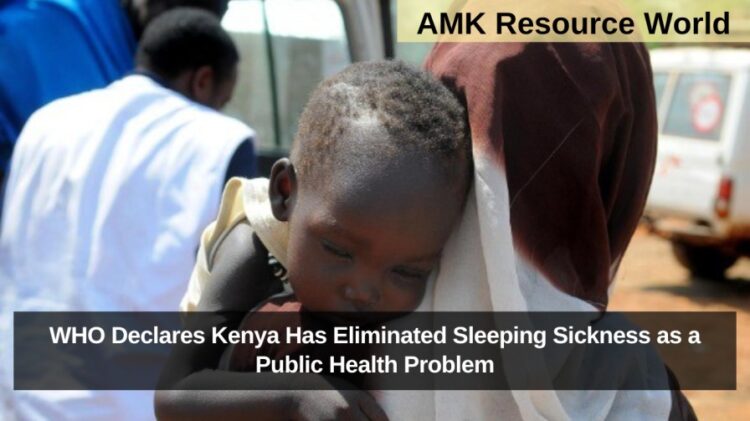
The World Health Organization (WHO) has officially announced that Kenya has successfully eliminated sleeping sickness, also known as human African trypanosomiasis (HAT), as a public health problem. This achievement makes Kenya the 10th African country to reach this significant milestone in the fight against neglected tropical diseases.
Understanding Sleeping Sickness (HAT)
Sleeping sickness is a parasitic disease caused by the protozoan parasite Trypanosoma brucei, which is transmitted to humans through the bite of infected tsetse flies. The disease primarily affects rural populations engaged in activities such as agriculture, fishing, livestock rearing, and hunting—occupations that bring people into close contact with tsetse fly habitats.
If left untreated, HAT is almost always fatal due to the parasite invading the central nervous system, leading to severe neurological symptoms including confusion, disturbed sleep cycles (which gives the disease its name), and eventually death. Early diagnosis and treatment are crucial to preventing fatal outcomes.
Kenya’s Journey to Elimination
Kenya’s successful elimination of sleeping sickness as a public health problem is a result of decades of coordinated efforts involving the government, WHO, local communities, and international partners. Key strategies included:
- Enhanced Surveillance: Improved detection through active case finding and community awareness helped identify and treat infections early.
- Vector Control: Targeted control of tsetse fly populations using insecticide-treated traps and environmental management reduced transmission.
- Access to Treatment: Strengthened healthcare systems ensured availability of effective drugs and timely treatment for affected individuals.
By meeting WHO’s criteria—fewer than 1 case per 10,000 people in at-risk areas sustained over five years—Kenya has demonstrated that sleeping sickness is no longer a public health threat within its borders.

Regional Progress in Fighting Sleeping Sickness
Kenya joins nine other countries that have achieved this landmark: Benin, Chad, Equatorial Guinea, Ghana, Guinea, Ivory Coast, Rwanda, Togo, and Uganda. Collectively, these successes represent major progress toward the WHO’s goal of making Africa free of neglected tropical diseases (NTDs).
Sleeping sickness has historically plagued sub-Saharan Africa, causing widespread suffering and economic disruption in affected communities. The elimination of HAT as a public health problem signals not only improved health outcomes but also enhances social and economic development by reducing disease burden in vulnerable rural populations.
Challenges Ahead
Despite these achievements, challenges remain. Sleeping sickness is still endemic in some parts of Central and West Africa, where conflict, weak health infrastructure, and remote populations complicate control efforts. Continued vigilance, sustained funding, and community engagement are essential to maintain elimination status in countries like Kenya and to advance toward continent-wide eradication.
Global Health Impact
The elimination of sleeping sickness as a public health problem in multiple countries underscores the effectiveness of integrated approaches combining surveillance, vector control, and treatment. It serves as a model for tackling other neglected tropical diseases that disproportionately affect impoverished communities.
WHO and its partners remain committed to supporting endemic countries with technical expertise, resources, and innovations to achieve the global goal of eliminating sleeping sickness and other NTDs by 2030, contributing to the broader Sustainable Development Goals (SDGs).
Kenya’s achievement marks a historic victory in public health and a hopeful step forward for millions at risk of sleeping sickness across Africa. As the continent moves closer to becoming free of this debilitating disease, the success story inspires renewed commitment to health equity and disease elimination worldwide.