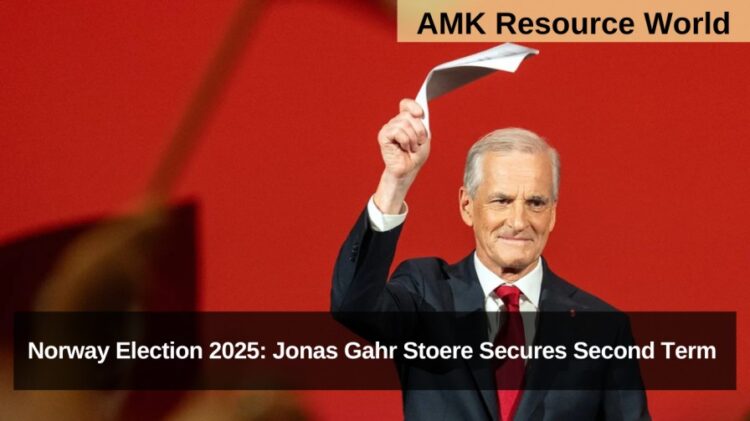
In a closely watched political contest, Norway’s ruling Labour Party, led by Prime Minister Jonas Gahr Stoere, has secured a second term in office following the general elections. The party won 87 seats, just above the majority mark, thanks to the support of four smaller left-leaning parties, allowing Labour to continue its governance and pursue its socio-economic agenda.
Labour Party’s Victory and Coalition Support
The Labour Party’s victory reflects its continued appeal among Norwegian voters who prioritize social welfare, healthcare, and progressive economic policies. The coalition with smaller left-leaning parties strengthened Labour’s position, ensuring a slim but stable majority in the Storting (Norwegian Parliament). This second term allows PM Jonas Gahr Stoere to implement key policy initiatives, including climate action, labor reforms, and social equity programs, which have been central to Labour’s political platform.
Surge in Right-Wing Populism
Despite Labour’s win, the election also highlighted a significant rise in right-wing sentiment. The Progress Party, a right-wing populist party, achieved its best-ever result with 48 seats. The surge reflects growing voter concerns over rising living costs, taxation policies, and Norway’s oil sector strategy, indicating that while Labour retained power, a political shift to the right is underway in parts of the electorate.
Analysts note that the Progress Party’s success underscores economic anxieties and public frustration with government policies, signaling that the new Labour government will need to address these concerns to maintain long-term stability. Issues such as energy policy, taxation, and social spending are likely to dominate Norway’s political discourse in the coming years.

Key Issues in the 2025 Norway Election
- Living Costs: Inflation and cost-of-living increases were a central concern for voters, influencing support for the Progress Party.
- Taxation: Rising taxes and debates over fiscal policy shaped voter sentiment, particularly among middle-income and conservative constituencies.
- Oil and Energy Policy: Norway’s approach to oil production and green energy initiatives has sparked debates about economic growth versus environmental sustainability.
Implications of Labour’s Second Term
The Labour Party’s narrow majority suggests that PM Jonas Gahr Stoere must navigate a complex political landscape, balancing coalition demands while addressing the electorate’s economic and environmental concerns. Labour’s victory ensures continuity in social welfare policies, but the rising influence of the Progress Party signals the need for strategic compromise and policy responsiveness.
Norway’s 2025 general election highlights a dual political trend: a continued mandate for the Labour Party and the growing strength of right-wing populism. While Labour secures its second term, the Progress Party’s historic gains indicate that voters are increasingly concerned with economic pressures, taxation, and oil policy. As Norway moves forward, PM Jonas Gahr Stoere’s government faces the challenge of maintaining social welfare progress while addressing the electorate’s evolving priorities, ensuring stability in an increasingly dynamic political environment.