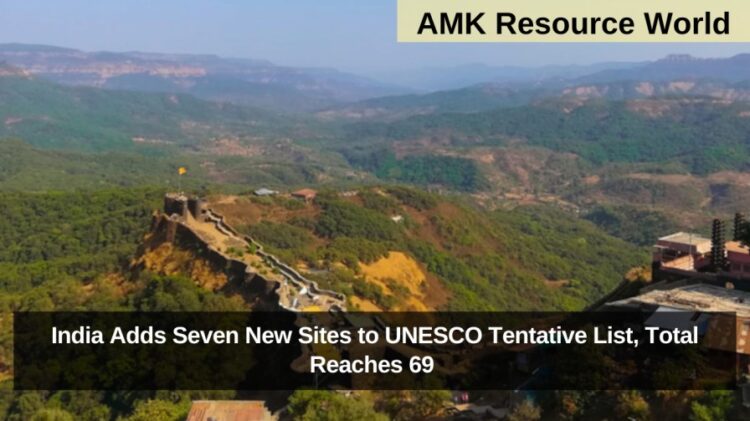
India has taken a significant step in preserving its cultural and natural heritage by adding seven new sites to the UNESCO Tentative List. The newly included sites—Deccan Traps in Maharashtra, Tirumala Hills in Andhra Pradesh, and Meghalayan Age Caves in Meghalaya, among others—highlight the country’s rich natural heritage and its ongoing commitment to global conservation efforts. With this addition, India now has a total of 69 properties on the UNESCO Tentative List, positioning the country as a key player in the protection of world heritage.
Newly Added UNESCO Tentative List Sites in India
The seven new Indian sites added to the UNESCO Tentative List 2025 fall under the Natural Heritage category, reflecting unique geological, ecological, and environmental significance. Some of the prominent sites include:
- Deccan Traps, Maharashtra: Famous for one of the largest volcanic provinces in the world, the Deccan Traps showcase unique geological formations dating back millions of years.
- Tirumala Hills, Andhra Pradesh: Known for its sacred landscape and biodiversity, Tirumala Hills attract pilgrims and nature enthusiasts alike.
- Meghalayan Age Caves, Meghalaya: These caves are notable for their geological features and represent key insights into the Meghalayan age.
The remaining four sites further strengthen India’s natural heritage portfolio, emphasizing biodiversity, geological diversity, and cultural significance.
Significance of UNESCO Tentative List Inclusion

Being included in the UNESCO Tentative List is a critical step for any site aspiring to achieve World Heritage status. This inclusion recognizes the Outstanding Universal Value (OUV) of the site and marks it as eligible for further evaluation by the World Heritage Committee. India’s initiative demonstrates its commitment to protecting both cultural landmarks and natural wonders, ensuring their preservation for future generations.
The Permanent Delegation of India to UNESCO highlighted that these new entries reflect the nation’s dedication to sustainable conservation and the importance of safeguarding heritage sites of global significance. Moreover, this step aligns with India’s broader objectives to promote eco-tourism, environmental awareness, and cultural education.
Role of the Archaeological Survey of India
The Archaeological Survey of India (ASI) has played a pivotal role in the documentation, preservation, and nomination of these sites. ASI’s efforts in maintaining the integrity and historical authenticity of natural heritage sites have been widely acknowledged, making it possible for these locations to gain recognition at the international level.
India’s Growing Global Heritage Presence
With the addition of these seven new sites, India’s total UNESCO Tentative List now stands at 69 properties, encompassing both cultural and natural heritage. This growth underscores India’s position as one of the countries with the richest heritage diversity in the world, bridging history, culture, and ecology.
The inclusion of Deccan Traps, Tirumala Hills, Meghalayan Age Caves, and other new sites in the UNESCO Tentative List reaffirms India’s commitment to preserving its natural heritage. As the country continues its efforts under the guidance of the Archaeological Survey of India and the Permanent Delegation of India to UNESCO, these sites are poised to gain World Heritage status, attracting global attention and reinforcing India’s legacy as a custodian of invaluable cultural and natural treasures.