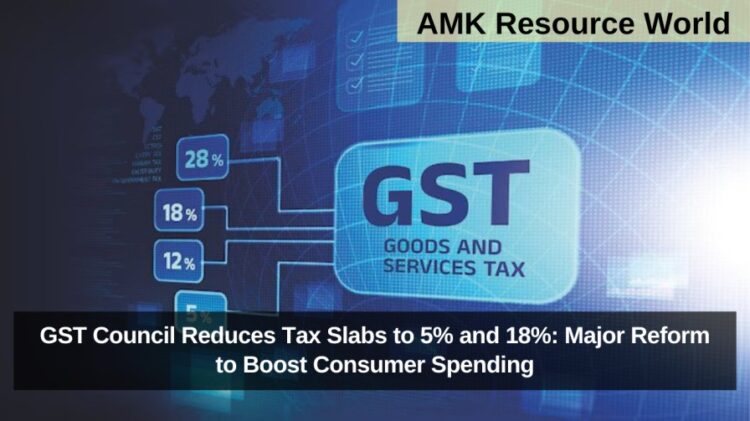
In a historic move, the GST Council has announced the simplification of India’s Goods and Services Tax (GST) structure, reducing the four-tier tax system to just two slabs – 5% and 18%. This major reform aims to boost consumer spending, ease the burden on the middle class, and promote economic growth. The changes will officially come into effect from September 22, 2025.
GST Slabs Reduced from Four to Two
Earlier, India’s GST structure had four major tax slabs: 5%, 12%, 18%, and 28%. With the new changes:
- The 12% and 28% slabs have been scrapped.
- Most items from these categories have been moved to lower tax rates, directly benefiting consumers.
- The simplified structure of 5% and 18% is expected to reduce confusion and compliance challenges for businesses and taxpayers alike.
This rationalization of tax rates is one of the biggest reforms since the implementation of GST in July 2017.
Items Becoming Cheaper Under New GST Rates
With the removal of the 12% and 28% tax slabs, several essential and commonly used products will now cost less. Among the key beneficiaries are:
- Consumer durables such as appliances and electronics.
- Staples and essential food items.
- Medicines and healthcare products.
- Footwear and clothing for the masses.
- Renewable energy equipment, which will support India’s sustainable development goals.
By lowering the tax burden on these categories, the GST Council expects to encourage consumption, improve affordability, and stimulate demand in key sectors.
Exceptions: Sin Goods and Higher Tax Items

While the reform simplifies the overall structure, the Council has retained higher tax rates on sin goods such as:
- Pan masala
- Tobacco and cigarettes
These items continue to attract higher GST rates to discourage consumption. Additionally, certain products will see increased tax rates under the revised framework:
- Sugary drinks – to promote healthier consumption choices.
- Coal – in line with the government’s push towards cleaner energy sources.
Impact on Consumers and Businesses
The reduction of GST slabs is expected to have multiple positive outcomes:
- Middle-class households will feel immediate relief with lower prices on essential goods.
- Businesses will face fewer compliance complexities with only two slabs to manage.
- Consumer demand is expected to rise, especially in the retail, healthcare, and renewable energy sectors.
- The move is likely to increase tax compliance as the simplified structure reduces classification disputes.
The GST Council’s decision to reduce the tax structure to two slabs – 5% and 18% – marks a turning point in India’s tax reforms. By making consumer durables, medicines, staples, footwear, and renewable energy equipment more affordable, the reform is set to benefit millions of households and fuel economic growth.
However, the government has ensured that health and environmental concerns remain a priority by retaining higher rates for sin goods and raising taxes on sugary drinks and coal.
With implementation from September 22, 2025, this bold step is expected to simplify taxation, increase transparency, and strengthen India’s consumption-driven economy.