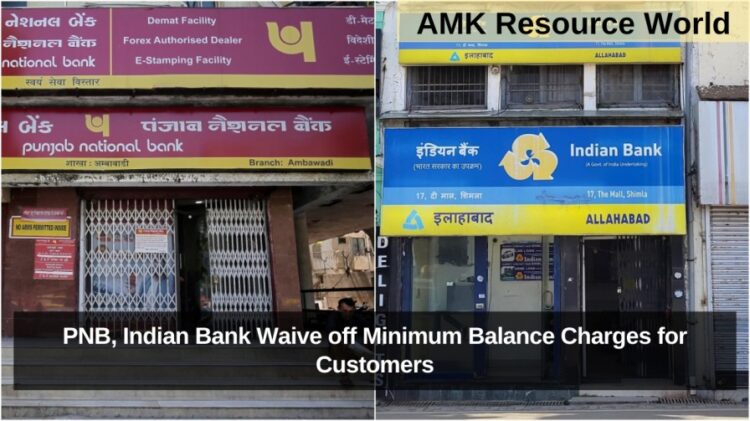
In a significant move aimed at enhancing financial inclusion and easing banking norms, Indian Bank and Punjab National Bank (PNB) have announced the waiver of minimum balance penalties for savings account holders. The changes came into effect on 7th July 2025, for Indian Bank customers, and 1st July 2025, for PNB customers.
This customer-friendly decision means that account holders in both banks will no longer face penalties for failing to maintain a minimum balance in their savings accounts. The move is expected to particularly benefit students, senior citizens, farmers, daily wage workers, and low-income families—segments of the population for whom such charges often posed a financial burden and discouraged regular banking.
By removing this requirement, both banks are taking a step towards making banking more accessible and inclusive. The removal of minimum balance penalties will not only encourage more people to open and maintain bank accounts, but also support the government’s broader vision of strengthening financial inclusion and bringing the unbanked into the formal banking system.

In addition to waiving the minimum balance requirement, Indian Bank has also reduced its one-year Marginal Cost of Funds-based Lending Rate (MCLR) to 9%. This rate cut is expected to offer much-needed relief to borrowers, especially those with home, education, and personal loans. Lower lending rates translate to lower EMIs, thus easing the financial stress on individuals and households already grappling with inflation and rising living costs.
The dual approach of reducing lending rates and eliminating minimum balance penalties highlights the banks’ commitment to customer welfare. These reforms come at a time when financial institutions are increasingly focusing on digital and grassroots-level banking to reach underserved communities.
Experts believe that these initiatives could trigger similar reforms across the banking sector, creating a more competitive and customer-centric environment. By prioritizing accessibility and affordability, Indian Bank and PNB are setting new standards in responsive and inclusive banking.
Overall, these moves mark a progressive shift in India’s banking landscape—one that seeks to empower citizens, encourage savings, and build trust in the formal financial system. For millions of account holders, this change brings a welcome sense of ease and dignity in managing their day-to-day finances.