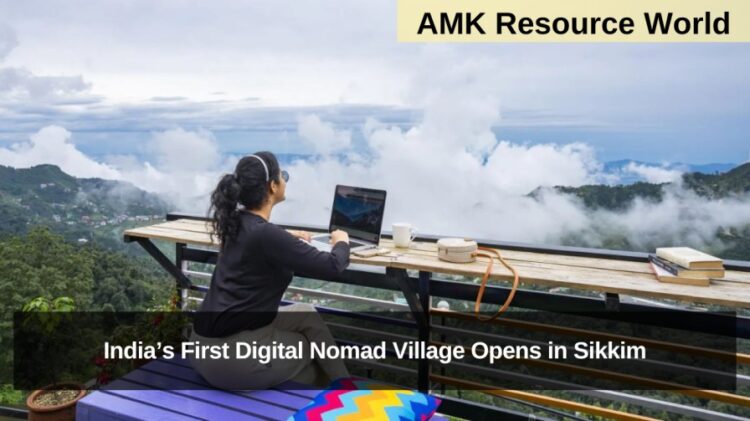
Akten, a serene village nestled in the lush landscapes of Sikkim, has made history by becoming India’s first digital nomad village under the ambitious ‘Nomad Sikkim’ project. This groundbreaking initiative aims to transform remote, rural settlements into modern-day work havens for digital professionals, remote workers, freelancers, and entrepreneurs looking for a peaceful yet well-connected environment.
Located amidst breathtaking natural beauty, Akten has been equipped with high-speed internet connectivity, consistent power backup, and modern homestays operated by local families. These homestays are designed not only to provide comfort and work-friendly infrastructure but also to immerse guests in the culture, cuisine, and community life of Sikkim. This harmonious blend of work and leisure makes Akten a unique destination for digital nomads seeking both productivity and tranquility.

The ‘Nomad Sikkim’ project, spearheaded by the state government in collaboration with tourism and rural development departments, is a visionary move that aligns with the growing trend of remote work across the globe. By enabling professionals to live and work from scenic and less crowded areas, the project supports the redistribution of economic activity from urban to rural regions.
One of the core objectives of this initiative is to enhance rural livelihoods. As digital nomads stay in Akten, they contribute directly to the local economy through rent, food, local services, and cultural activities. This steady stream of income empowers village residents, encourages local entrepreneurship, and curbs the rural-to-urban migration trend by offering new opportunities within the village itself.
Moreover, the project promotes sustainable tourism by avoiding the pitfalls of mass tourism. Visitors stay longer, engage more deeply with the local environment, and are more mindful of their ecological footprint. The emphasis is on preserving the natural and cultural heritage while embracing modern connectivity and convenience.
Akten’s transformation is a shining example of how rural India can thrive in the digital era. It demonstrates the potential of integrating digital infrastructure with sustainable community development. As more such villages adopt the digital nomad model, India moves closer to bridging the urban-rural divide and nurturing a new form of tourism that benefits both visitors and host communities.
Akten’s success story is just the beginning—a bold step towards building a digitally empowered, inclusive, and sustainable India.