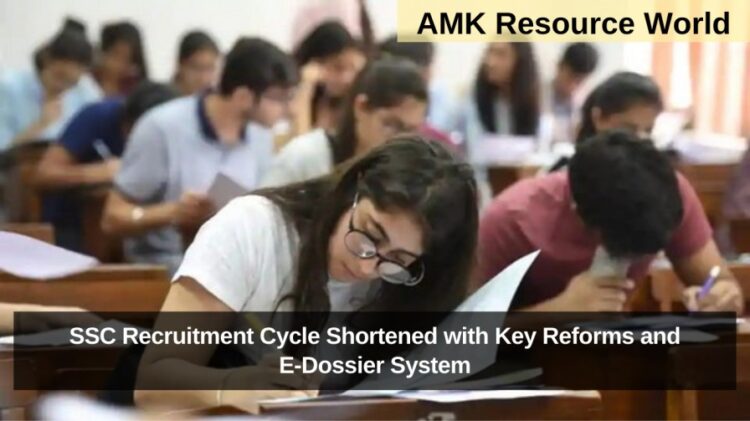
The Staff Selection Commission (SSC) has taken significant steps to reform its recruitment process, reducing the time taken for selection and appointment. According to a written reply by Union Minister of State for Personnel Jitendra Singh in the Rajya Sabha, the recruitment cycle for various SSC examinations has been shortened from the earlier 15–18 months to just 6–10 months. These reforms aim to provide faster employment opportunities for candidates while ensuring transparency and efficiency in the recruitment process.
Shorter Exam Notification Period
One of the major reform measures by the SSC is the reduction of the duration of exam notices. Previously, candidates had approximately 45 days to apply for SSC exams, but this period has now been shortened to 21 days. This move allows the commission to conduct exams more swiftly and expedite the overall recruitment cycle.
Transition to Computer-Based Exams
Another key reform is the transition from pen-and-paper mode to computer-based examinations for all SSC exams. This change has streamlined the examination process, reduced logistical challenges, and improved efficiency. The computer-based model also ensures a higher level of fairness and transparency in evaluating candidates.
Reduction in Exam Stages
The SSC has minimized the number of tiers or stages in several of its recruitment examinations. For instance, descriptive-type papers have been eliminated across exams (except the Combined Hindi Translators Examination). Similarly, interviews have been discontinued for Group B and Group C posts, making the process faster and more merit-based.

Introduction of E-Dossier System
A major milestone in SSC reforms is the introduction of the e-dossier system, which replaces traditional physical dossiers. The online centralised e-dossier system ensures secure, tamper-proof, and transparent handling of candidate documents.
Key Features of the E-Dossier System
- Controlled role-based access through authorised logins for SSC and ministries/departments.
- Unique tracking numbers at every stage to ensure authenticity and data integrity.
- Faster pre-appointment verification, as dossiers are validated and forwarded digitally.
- Improved coordination between SSC and ministries/departments.
- Reduced use of physical documents, leading to a paperless, eco-friendly recruitment process.
The e-dossier system has already been successfully implemented in major SSC recruitment exams such as the SSC CGL 2024, SSC CHSL 2024, SSC JE 2024, and the SSC MTS & Havaldar Exam 2024.
Benefits of SSC Reforms
These reform measures have brought multiple benefits for aspirants as well as the commission:
- Reduced recruitment cycle from 15–18 months to 6–10 months.
- Greater transparency and accountability in the recruitment process.
- Faster recommendation of candidates to ministries and departments.
- Enhanced digital tracking ensures secure document handling and verification.
The SSC reforms are a step towards modernising the recruitment system in India. By adopting computer-based exams, reducing exam tiers, introducing e-dossiers, and shortening notification periods, the commission has made recruitment faster, more efficient, and transparent. With these changes, lakhs of candidates appearing for SSC CGL, CHSL, JE, and MTS exams will benefit from quicker recruitment cycles and reduced waiting times for appointment.