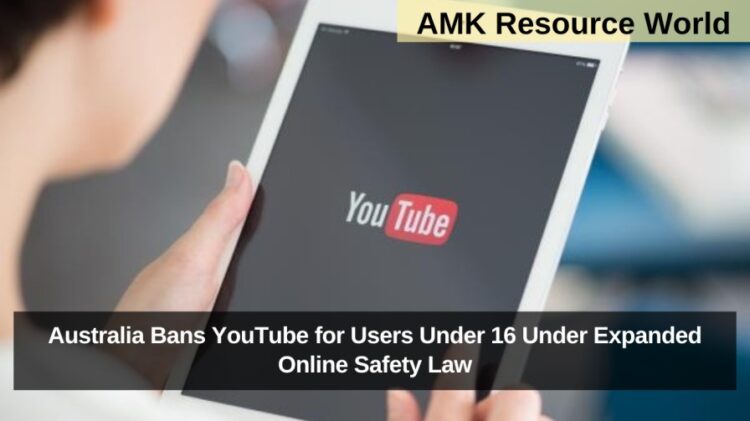
In a significant move to protect minors from digital harm, Australia has expanded its child online safety law to ban YouTube for users under 16, effective December 10, 2025. The decision adds YouTube to the list of already restricted platforms, including Facebook, Instagram, TikTok, and Snapchat, as part of the country’s tough stance on online safety for children and teenagers.
The ban comes in response to a recent national survey, which revealed that 37% of minors reported exposure to harmful or age-inappropriate content on YouTube, ranging from violence and hate speech to predatory comments and misinformation. This finding led regulators to revoke YouTube’s earlier exemption, which was granted due to the platform’s perceived educational value.
Under the new provision of the Online Safety Act, companies found to be non-compliant face penalties of up to 49.5 million Australian dollars (approximately USD 33 million). The law requires online platforms to implement age verification mechanisms, content filters, and user protection protocols to ensure that underage users are not exposed to potentially damaging material.

Australia’s eSafety Commissioner, who oversees the implementation of the law, stated that the expansion reflects the government’s zero-tolerance policy toward online environments that endanger children. “The time for voluntary safeguards is over. Platforms must take real responsibility for the safety of their youngest users,” the Commissioner said.
Critics of the move argue that banning access may limit educational opportunities and stifle digital literacy, particularly for students in remote areas who rely on platforms like YouTube for learning. However, supporters assert that the mental health and well-being of children must take precedence, especially in light of rising concerns over cyberbullying, online grooming, and screen addiction.
In response, YouTube has pledged to review its policies and enhance protective features such as YouTube Kids, restricted mode, and machine-learning algorithms to better detect and block harmful content. Whether these efforts will be sufficient to reverse the ban remains to be seen.
Australia’s toughened stance positions it as a global frontrunner in child online protection, and it may prompt other nations to revisit their digital safety frameworks. As the December deadline approaches, tech companies face growing pressure to ensure safer digital spaces for the next generation.