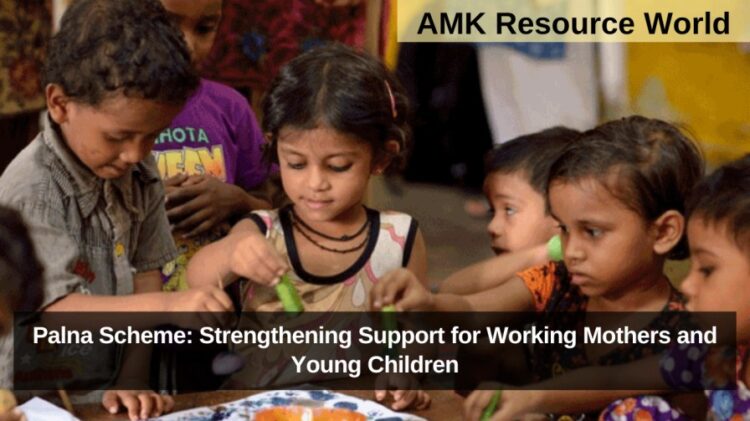
Launched in April 2022, the Palna Scheme represents a progressive step by the Government of India to support working mothers by providing accessible, safe, and nurturing day-care and crèche facilities for children aged 6 months to 6 years. The scheme is a vital component of India’s broader agenda to promote gender equality, enhance women’s workforce participation, and ensure early childhood care and education.
Integrated with existing Anganwadi centres under the Integrated Child Development Services (ICDS), the Palna Scheme provides a holistic ecosystem that offers nutritious meals, health monitoring, and early learning opportunities for young children. By building on the infrastructure and human resources already present in Anganwadis, the scheme leverages India’s grassroots childcare network to reach even the most underserved communities.
Under the 15th Finance Commission cycle, the government aims to establish 17,000 crèche centres across the country. As of mid-2025, 14,599 centres have already been approved, indicating swift and large-scale implementation. Each centre is equipped with trained caregivers, age-appropriate educational materials, and regular medical check-ups to ensure children’s physical and cognitive development.

The Palna Scheme contributes directly to the achievement of Sustainable Development Goal (SDG) 8, which calls for inclusive and sustainable economic growth, full employment, and decent work for all. By easing the burden of unpaid caregiving responsibilities, the scheme enables more women to pursue gainful employment, particularly in urban and semi-urban areas where nuclear families often lack extended familial support.
Moreover, Palna is a critical step toward women’s empowerment, as it addresses one of the key barriers preventing women from joining or remaining in the workforce—the lack of reliable childcare. It also promotes inclusive development by ensuring that children from diverse socioeconomic backgrounds receive quality early care, thereby helping reduce intergenerational poverty.
Experts have lauded the scheme for balancing child welfare with women’s economic participation, and for taking a rights-based, community-driven approach. However, continued investment in training, infrastructure, and monitoring mechanisms will be essential to ensure consistent quality and safety across centres.
In conclusion, the Palna Scheme is a transformative policy intervention that not only supports young children’s growth and development but also lays the foundation for a more equitable and resilient workforce, paving the way for a more inclusive India.